
I painted for years without telling anyone. Not because I was ashamed, exactly, but because it felt private, like something I did only for myself. After work, after dinner, after the house got quiet, I would pull out my paints and sit at the small table near the window. Some nights I painted for an hour. Some nights I barely touched the brush. It did not matter. No one was watching. No one was judging.
Painting was how I unwound. It helped me release the day in a way nothing else really did. I was not trying to improve or impress. I was not thinking about technique or progress. I just liked the way colors behaved when I slowed down enough to notice them. Some nights the paint felt thick and stubborn. Other nights it moved easily, like it already knew where it wanted to go.
Eventually, I started looking for painting ideas online, mostly because I felt myself slipping into habits. I painted the same kinds of scenes over and over. The same safe colors. The same angles. I was not unhappy, but I was bored in a quiet way. I wanted something small to shake things loose.
That search led me to painting ideas on FanArtReview. What caught my attention was not just the artwork, but the way people responded to each other. The comments felt thoughtful. Calm. Honest without being harsh. It did not feel like a place where you had to defend yourself or prove anything.
I told myself I was only browsing. I stayed that way for days, maybe longer. Then one evening, almost without thinking it through, I uploaded a small landscape I had painted months earlier. I remember hovering over the button longer than I care to admit. When I finally clicked it, my heart sped up in a way that felt a little silly.
The response surprised me. Not because people loved it, but because they actually looked at it. They noticed things I had not thought much about. A shadow that worked. A color that felt off. One comment gently pointed out where the balance felt uneven, and instead of feeling embarrassed, I felt relieved. Someone else saw what I was seeing.
After that, my relationship with painting shifted. I did not suddenly become confident, but I became more present. I painted with more intention, not more pressure. I started asking myself simple questions before I began. What do I want this to feel like. Where do I want the eye to rest. Those questions made painting feel lighter, not heavier.
I also started to feel a quiet curiosity about what might come next. Not just in painting, but in how I let myself take up space with it. For the first time, I wondered what it would be like to paint outside my usual routine. To let painting shape my plans instead of fitting it into the edges of my life.
After I shared that first painting, I expected things to settle back into normal. I thought I would post once, feel brave for a few days, and then quietly return to painting the way I always had. That was the plan, at least. But something small shifted, and it did not shift loudly. It showed up in the way I thought about painting earlier in the day, not with nerves, but with curiosity. I would notice colors on my drive home or the way the light hit the side of a building and think, that might be worth trying later.
Before that, painting lived strictly in the evenings. It stayed tucked away, separate from the rest of my life. Now it started sneaking into small moments. I would pause while doing dishes because the foam in the sink reminded me of texture. I caught myself studying shadows in the grocery store parking lot. None of this felt dramatic. It just felt new. Like my eyes had been given permission to linger.
I also became more aware of how I worked once I was actually standing in front of the canvas. I used to paint quickly, almost like I was afraid of running out of time or energy. I would rush to get something down, then rush again to fix it. After sharing my work, I slowed down without meaning to. I mixed colors longer. I cleaned my brush more often. I stepped back and looked instead of reacting right away.
Some nights I still rushed. Old habits do not disappear just because you notice them. But the difference was that I could tell when I was rushing now. I felt it in my shoulders. I saw it in the brushstrokes. That awareness alone made me pause more often. Sometimes I would sit on the couch and stare at the canvas for ten minutes without touching it. That would have felt wasteful before. Now it felt necessary.
The comments people left stayed with me longer than I expected. Not in a loud or overwhelming way. More like a quiet echo that followed me back to my own space. Someone mentioned that an edge felt too sharp. Another person said they liked the calm mood, even though the scene itself was simple. I did not change everything based on those words, but I carried them with me. They slipped into my thinking without asking permission.
That is when I started to understand that feedback did not have to feel final. It did not have to mean right or wrong. It could be part of a conversation. I could listen, try something new, and still decide what felt right to me. That realization took pressure off in a way I had not expected. I stopped painting as if someone were grading me. I started painting as if someone might be quietly watching and thinking along with me.
I noticed I was choosing subjects a little differently too. Before, I stuck to what felt safe. Familiar scenes. Familiar colors. Lately, I found myself reaching for things that made me slightly uncomfortable. Not dramatic risks, just small ones. A tighter crop. A darker color than I usually liked. A background left less finished than felt polite. These choices did not always work, but they made the process more interesting.
At some point, I went back online looking for painting ideas again, but the way I searched had changed. I was no longer hunting for something to copy. I was looking for sparks. Little nudges that might push me in a direction I had not considered. Sometimes all it took was seeing how someone else handled light or texture to send me back to my own table with a new question in mind.
What surprised me was how gentle this whole shift felt. I had always assumed growth would come with pressure. That improvement would feel heavy or stressful. Instead, it felt quieter. More like trust building slowly between me and the work. I trusted myself a little more to sit with uncertainty. I trusted that not knowing exactly where a painting was going did not mean it was failing.
I also started thinking differently about time. Painting used to feel like something I squeezed into the edges of my life. Now it felt more central, even if the hours stayed the same. I protected that time more carefully. I turned down other distractions without guilt. I stopped apologizing to myself for spending an evening painting instead of doing something more productive.
Somewhere in all of this, a new thought began to form, slowly and without urgency. I wondered what would happen if I let painting shape more than just my evenings. What if it influenced where I went, what I noticed, how I planned things. The idea felt a little bold for me, which is how I knew it mattered. I did not act on it yet. I just let it sit there, growing quietly in the background.
The idea of doing something bigger with painting did not arrive all at once. It crept in slowly, the way ideas do when they know you are not ready to hear them yet. At first, it showed up as daydreams. I would be sitting at work, half listening in a meeting, and catch myself imagining a different view out the window. Not because I wanted to escape my life, but because my mind had started asking new questions.
I realized that painting had begun to shape how I moved through the world, even when I was not holding a brush. I noticed color combinations on buildings I passed every day. I paid attention to how weather changed the mood of familiar places. A cloudy afternoon felt softer. A bright morning felt sharper. These details were always there, of course. I just had not been collecting them before.
At home, my routine shifted again. I rearranged my small painting area without really planning to. I moved the table closer to the window. I cleared off supplies I never used and kept the ones I reached for most. The space felt more honest afterward. Less cluttered. It reflected how I was starting to work, with fewer distractions and more intention.
I also became more selective about what I looked at online. I still browsed, but I stopped scrolling endlessly. When I searched for painting ideas, I paid attention to which ones actually stayed with me after I closed the page. Those were the ones that mattered. Not the most impressive pieces, but the ones that sparked a feeling I could not quite name.
As my confidence grew, I noticed something unexpected. I was no longer afraid of wasting paint or time. If something did not work, I let it sit. Sometimes I painted over it the next day. Sometimes I left it alone and started something new. That freedom felt earned, even though no one had formally given it to me.
Sharing continued to play a role in this shift, but it was quieter now. I posted less often, but with more care. I chose pieces that felt honest, even if they were not polished. The responses stayed thoughtful, and that consistency helped me trust the space I had stepped into. It felt steady, not fleeting.
One evening, after cleaning my brushes, I caught myself doing something that would have felt ridiculous a year earlier. I opened a calendar and started looking at time off. Not for a big reason. Not for an event. Just to see what was possible. The thought surprised me enough that I laughed out loud.
I did not label it a vacation right away. That word carried expectations. Instead, I thought of it as giving myself room. Room to see new places. Room to notice different light. Room to paint without rushing back to something else. Even thinking about it made my shoulders relax.
I started setting aside small amounts of money without telling anyone. Nothing dramatic. Just enough to make the idea feel real. I looked at maps the way I used to look at reference photos, curious but not committed. Certain places pulled at me more than others, though I could not yet explain why.
What mattered most was that I no longer dismissed the idea as impractical. Before, I would have shut it down immediately. Too indulgent. Too unnecessary. Now, it felt like a natural extension of what I was already doing. Painting had given me permission to think differently about how I spent my time.
I did not tell many people about this growing plan. In truth, I barely told myself. But it stayed with me, quietly gaining shape. I could feel it becoming something I would eventually act on, not because I needed to prove anything, but because I wanted to see what would happen if I said yes to it.
The decision to actually go somewhere took longer than I expected. Not because I doubted the idea, but because I wanted it to feel right. I did not want to rush into it the way I used to rush through paintings. I gave myself time to sit with the thought, to let it settle, to see if it stayed. And it did. It stayed quietly, like it was willing to wait for me.
Once I allowed myself to plan, the details came together more easily than I imagined. I chose dates that did not feel stolen from the rest of my life. I picked a route that felt open rather than packed. I did not build a schedule around attractions or must-see lists. I built it around space. Space to stop. Space to notice. Space to paint if the moment felt right.
Packing felt different too. I did not overthink supplies. I brought what I knew I would actually use. A small set of paints. A few brushes I trusted. Paper instead of canvas, because it felt lighter and less precious. I reminded myself that this was not a performance. It was an extension of the quiet confidence I had been building at home.
As the trip approached, I noticed how calm I felt about it. There was excitement, of course, but no panic. No voice telling me I was being irresponsible or unrealistic. That surprised me. I realized that searching for painting ideas had changed how I made decisions. I was no longer chasing improvement in a frantic way. I was following curiosity and letting it lead at a reasonable pace.
When I finally left, the first thing that struck me was how much I noticed. The air felt different. The light shifted more dramatically than it did back home. Even ordinary places felt new because I was paying attention. I did not paint right away. I watched. I took photos. I let scenes collect in my mind without trying to capture them immediately.
There was relief in that restraint. In the past, I would have felt pressure to make something right away, to prove that the trip had a purpose. Now I trusted that the purpose would show itself. And it did, slowly. A change in color at dusk. A line of hills that felt softer than expected. A sense of scale that made my usual subjects feel smaller, but not less meaningful.
When I did start painting again, it felt different than it ever had at home. I worked faster, but with more confidence. I worried less about getting things right. I focused on capturing how a place felt rather than how it looked. Some paintings came together easily. Others fought me the whole way. I accepted both outcomes without judgment.
In the evenings, I looked back at what I had done and felt a quiet satisfaction. Not pride, exactly. More like recognition. I could see how far I had come without needing anyone else to point it out. The work reflected the choices I had made, not just on the trip, but in the months leading up to it.
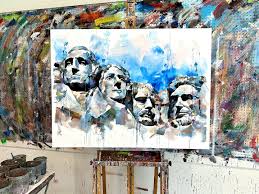
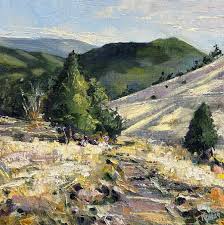
I thought about sharing some of the new pieces, but I did not rush. I wanted to sit with them first. To understand what they meant to me before inviting anyone else into that space. That patience felt earned. It felt like something I would have denied myself before.
By the time I headed home, I knew the trip had changed me in ways I could not fully explain yet. Painting no longer lived in one room or one part of my schedule. It had woven itself into how I experienced the world. That realization stayed with me long after the road faded behind me.
Coming home felt different than I expected. I did not feel the usual drop that follows time away, that sense of something ending too soon. Instead, everything felt slightly rearranged, like furniture moved just enough that the room worked better. My house was the same. My schedule was the same. But I was not.
I unpacked slowly. I left my painting supplies out instead of tucking them back into drawers. I stacked the new work along the wall and looked at it over several days. Some pieces felt complete right away. Others felt unresolved, like they were still asking questions. I let them be. I had learned that not everything needs to be decided immediately.
When I finally shared a few of the paintings from the trip, I noticed how calm I felt. I did not hover over the screen. I did not rehearse explanations in my head. I posted them the same way I had learned to paint recently, with intention but without pressure. Whatever happened next would be information, not judgment.
The responses came in slowly, which I appreciated. People noticed the change, even when they could not quite name it. They mentioned the looseness. The confidence. The way the scenes felt lived in rather than staged. One comment said the work felt more grounded. I read that sentence several times, not because it inflated me, but because it rang true.
I realized then that my relationship with painting ideas had shifted again. I no longer saw them as prompts to follow or problems to solve. They were starting points, nothing more. Suggestions I could take or leave. The work now came more from my experiences than from searching, and that felt like a quiet milestone.
At the same time, I did not feel done learning. If anything, the trip made me more curious. I wanted to explore unfamiliar subjects at home the same way I had explored new places. I painted ordinary corners of my neighborhood with the same care I had given wide landscapes. I paid attention to how light moved through rooms I had lived in for years.
I also noticed how much kinder I had become with myself during the process. When something did not work, I did not spiral. I cleaned my brushes and tried again another day. I trusted that showing up consistently mattered more than getting any single piece right. That trust felt like one of the most important things I brought back with me.
People in my life began to ask about my painting more often. Not in a demanding way. Just curious. I talked about it openly now, without minimizing it or rushing past the subject. I did not pretend it was just a hobby anymore, but I did not inflate it either. It was simply part of who I was.
There were moments when I caught myself smiling at how natural all of this felt. The courage I had worked up so carefully was no longer at the surface. It had settled in. I no longer had to convince myself to take painting seriously. I already did.
Looking back, I could see how one small decision had led to another. Sharing one piece. Listening instead of retreating. Following curiosity instead of routine. None of it was dramatic on its own. Together, it changed the shape of my days.
I do not think of myself as a different person now, but I do recognize myself more easily. The version of me who painted in secret is still here. She still values quiet. She still likes working without an audience. The difference is that she no longer feels like she has to hide to protect the work.
Painting has settled into my life in a steadier way. It is not something I rush toward or avoid anymore. It shows up when it needs to, and I make room for it without guilt. Some weeks I paint often. Other weeks I barely touch the brushes. Both feel acceptable now. Neither feels like failure.
When I look back at the path that brought me here, I am struck by how ordinary it was. There was no big turning point. No moment where everything clicked at once. It was a series of small decisions made gently. Sharing one piece. Listening instead of pulling away. Allowing curiosity to lead without demanding answers.
I still look at painting ideas from time to time, but I do it differently now. I do not search because I feel stuck or inadequate. I search because I am curious. Because I enjoy seeing how others approach the same questions in their own ways. Sometimes an idea sticks. Sometimes it does not. Either outcome feels fine.
What matters more to me now is how painting fits into the rest of my life. It has become a way of paying attention. A way of staying present. A way of marking time without rushing through it. I notice more. I linger longer. I trust my instincts more than I used to.
There is a quiet confidence that comes from letting something grow at its own pace. I did not force this change. I did not plan it carefully. I simply stopped getting in my own way. That may be the most useful lesson painting has given me so far.
If someone had told me years ago that sharing my work would make the process feel lighter, not heavier, I would not have believed them. I would have assumed it meant pressure or expectation. Now I know better. Sharing did not take anything away from my relationship with painting. It added to it.
I do not know exactly where this will lead next, and that no longer bothers me. I am comfortable not knowing. I am comfortable showing up with what I have and seeing what happens. That feels like enough.